Wiring in the Electric
Before electricity found its way into dollhouses, miniature homes mirrored the lighting realities of the real world. Tiny candles, oil lamps, and fireplaces were carefully crafted by artisans to reflect the domestic interiors of the 18th and 19th centuries. These details weren't just decorative — they were historically accurate. A well-appointed dollhouse from the Victorian era might feature a minuscule chandelier fitted with wax tapers, faithfully replicating the drawing rooms of the wealthy. Lighting, even in miniature, told a story about class, comfort, and daily life.
The spark of change
When electrical lighting began transforming full-sized homes in the late 19th century, dollhouse makers were not far behind. By the early 20th century, craftsmen and hobbyists began experimenting with ways to wire miniature homes. Early attempts were rudimentary — small bulbs connected to basic battery systems — but they marked a turning point. Suddenly, a dollhouse could glow from within, and that warm light filtering through tiny windows captured imaginations like nothing before it.
How electrification changed dollhouse design
The introduction of working lights fundamentally altered how dollhouses were designed and built. Walls needed to accommodate wiring channels. Floors had to be constructed in a way that allowed circuits to run between rooms. Makers began thinking about dollhouses not just as static displays, but as functioning miniature environments. This shift encouraged greater realism across the board — if the lights worked, why not the fireplaces, the kitchen appliances, or the ceiling fans? Electricity opened a door to a whole new philosophy of miniature making.
Mass production and the electric dollhouse
Throughout the mid-20th century, manufacturers began producing electrified dollhouses at scale. Companies such as Lundby of Sweden became beloved household names, offering modular homes with built-in lighting systems that families could expand over time. These products democratised what had once been the preserve of skilled craftspeople or the very wealthy. Children across Britain and Europe could now own a home that lit up at the flick of a switch, making the play experience far more immersive and emotionally engaging.
The collector's perspective
For serious collectors and miniaturists, electricity elevated dollhouses from toys to art. Working lighting allowed room settings to be displayed with the same drama and atmosphere as a stage set. A Georgian townhouse with candlelit sconces, a 1950s suburban kitchen bathed in fluorescent light, or a contemporary open-plan flat with recessed LEDs — each era could now be rendered with far greater authenticity. Lighting became a tool for storytelling, helping collectors convey not just the look of a period, but its very atmosphere.
Modern technology and the future of miniature lighting
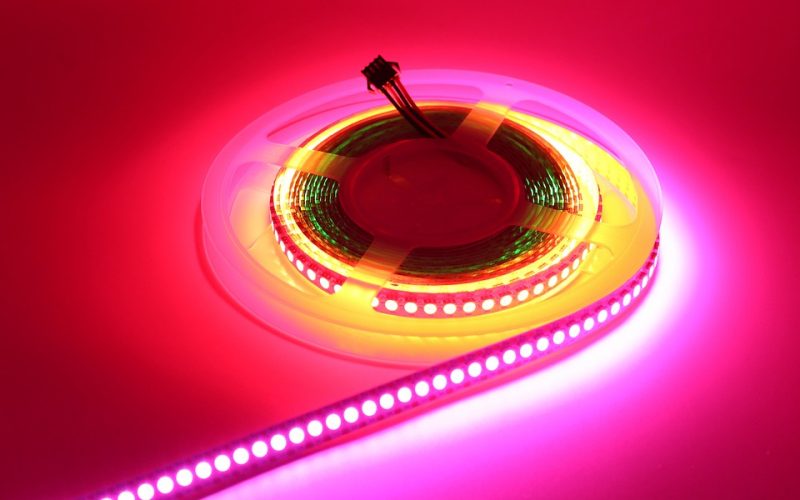
Today, LED technology has revolutionised dollhouse lighting in ways that earlier makers could scarcely have imagined. LEDs run cooler, last longer, and consume a fraction of the energy of their predecessors, making them ideal for intricate miniature settings. Fibre optics allow light to be threaded into spaces too small for conventional wiring. Some contemporary miniaturists are even incorporating smart lighting systems, allowing individual rooms to be controlled remotely. The tools have changed enormously, but the underlying ambition remains the same: to make a tiny world feel alive.
A glowing legacy
The electrification of dollhouses was never merely a technical achievement — it was a cultural one. It reflected society's broader fascination with domestic comfort and modernity, captured in miniature form. Each tiny bulb that flickered to life represented a moment when craft met innovation, when a beloved tradition adapted rather than faded. For collectors, makers, and enthusiasts today, that legacy glows on, quite literally, in the illuminated windows of the miniature homes they build, restore, and treasure.